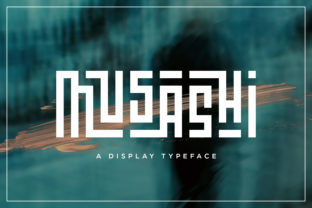
Musashi: A Modern Display Font for Personalized Design Projects
Musashi is a modern display font that stands out with its unique style and versatility. Designed to capture attention, Musashi blends clean lines with expressive elements, making it ideal for any design project that requires a personalized appearance. Whether you're creating a logo, designing a website, or working on a print layout, Musashi offers a distinctive visual identity that can elevate your work.
As designers and creators, we often seek fonts that not only look good but also serve a purpose. The challenge lies in finding a font that aligns with the message of the project while standing out visually. This is where Musashi comes into play. Its unique character set and elegant structure make it a valuable tool for those looking to create a memorable impact through typography.
Understanding the Unique Style of Musashi
Musashi is named after the legendary Japanese swordsman Miyamoto Musashi, known for his discipline and innovative approach to combat. Similarly, this font embodies a sense of precision and creativity. The design incorporates subtle details that give it a modern yet timeless feel. Each letterform is crafted with care, ensuring readability without sacrificing style.
The font's unique style makes it particularly well-suited for headlines, banners, and other prominent text elements. Its bold strokes and refined curves offer a balance between strength and elegance, allowing it to adapt to various design contexts.
When to Use Musashi
Musashi is best used in situations where a strong visual presence is needed. Here are some scenarios where Musashi can be an excellent choice:
- Brand Identity: Create a striking logo or brand name that reflects professionalism and creativity.
- Website Headers: Use Musashi for website titles or call-to-action buttons to draw attention and encourage engagement.
- Print Materials: Incorporate Musashi into brochures, posters, or packaging designs to add a touch of sophistication.
- Digital Media: Apply Musashi in presentations, social media posts, or video captions to enhance visual appeal.
By using Musashi in these contexts, designers can ensure their work stands out while maintaining a cohesive aesthetic.
How Musashi Addresses Common Design Challenges
Designers often face challenges related to visual consistency, readability, and uniqueness. Traditional fonts may lack the distinctiveness needed to differentiate a project from others. Musashi helps overcome these issues by offering a fresh perspective on typography.
One common challenge is finding a font that complements both the content and the overall design theme. Musashi's versatility allows it to pair well with a wide range of styles, from minimalist layouts to more intricate designs. This flexibility ensures that it can be integrated seamlessly into different projects without compromising the intended message.
Another issue is ensuring legibility across various platforms and screen sizes. Musashi has been optimized for clarity, making it suitable for both digital and print applications. Its clean lines and balanced proportions contribute to its readability, even at smaller sizes.
Practical Applications and Outcomes
Many professionals have successfully incorporated Musashi into their projects, achieving impressive results. For instance, a marketing agency used Musashi for a client's rebranding campaign, resulting in increased brand recognition and customer engagement. The font's unique style helped create a memorable identity that resonated with the target audience.
In another case, a web designer utilized Musashi for a portfolio site, enhancing the visual appeal and professionalism of the platform. Visitors noted the improved user experience, with many commenting on the font's ability to convey creativity and innovation.
These examples highlight how Musashi can be a powerful tool for designers looking to make a lasting impression. By choosing Musashi, creators can ensure their work not only looks great but also communicates the right message effectively.
Considerations for Using Musashi
While Musashi offers numerous benefits, there are a few considerations to keep in mind when incorporating it into your design projects. First, it's important to understand the tone and context of the project. Musashi is best suited for projects that require a strong visual statement, so it may not be the ideal choice for more subdued or traditional designs.
Additionally, pairing Musashi with complementary fonts can enhance the overall design. It's recommended to use it as a primary font for headings and then select a secondary font for body text to maintain balance and readability.
Finally, experimenting with different weights and styles of Musashi can yield varied results. Testing the font in different sizes and colors can help determine the most effective application for your specific needs.
Different Approaches to Using Musashi
Depending on the project and personal preferences, users may approach Musashi in different ways. Some may prefer to use it as a standalone font for all text elements, while others might combine it with other fonts to create a layered effect.
For example, a graphic designer might use Musashi for headlines and a sans-serif font for body text, creating a contrast that draws attention to key messages. In contrast, a typographer might explore the full range of Musashi's variations, using it in multiple weights and styles to achieve a dynamic composition.
No matter the approach, Musashi provides a foundation for creative expression that can be tailored to meet individual needs and goals.
Ultimately, Musashi is more than just a font—it's a tool that empowers designers to create visually compelling and meaningful work. Whether you're aiming to make a bold statement or add a touch of elegance, Musashi offers a unique solution that can enhance your design projects in countless ways.