Pacific Beach: A Timeless Font for Elegant Design
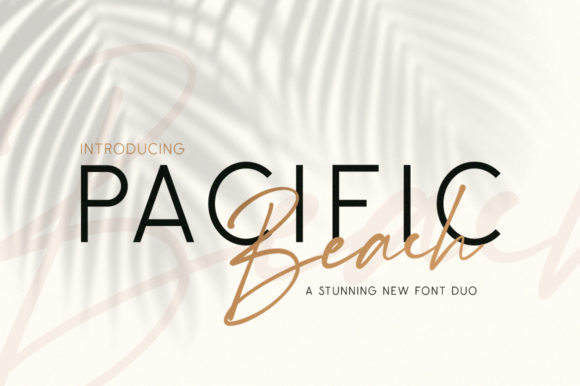
Pacific Beach is a handwritten font that blends classic elegance with a friendly, approachable feel. Designed to capture the essence of timeless calligraphy, it offers a unique balance between sophistication and authenticity. This font is particularly well-suited for creative projects that require a personal touch while maintaining a professional appearance.
What Is Pacific Beach?
Pacific Beach is a serif font with a hand-drawn aesthetic that mimics the natural flow of human handwriting. Its design features smooth curves, subtle variations in stroke width, and an overall organic feel that sets it apart from more rigid, machine-generated typefaces. The font's name likely draws inspiration from the coastal town of Pacific Beach in California, known for its relaxed atmosphere and scenic beauty.
The font is available in multiple weights and styles, allowing designers to adapt it to various contexts. Whether used for headings, body text, or decorative elements, Pacific Beach maintains a consistent level of readability while adding visual interest.
Why Consider Pacific Beach?
There are several reasons why someone might choose Pacific Beach for their design projects. First, its elegant yet approachable style makes it ideal for a wide range of applications, including wedding invitations, branding materials, and editorial content. The font’s ability to convey warmth and personality can be especially valuable in industries such as hospitality, fashion, and lifestyle.
Second, Pacific Beach offers a high degree of customization. Designers can adjust spacing, kerning, and letterforms to suit specific needs. This flexibility allows for creative experimentation without sacrificing legibility or coherence.
Third, the font’s timeless appeal ensures that it remains relevant across different design trends. Unlike some fonts that may become outdated quickly, Pacific Beach has a classic quality that resists the passage of time.
Benefits of Using Pacific Beach
- Timeless Elegance: The font’s design reflects a sense of refinement that appeals to audiences seeking sophistication without excess.
- Authentic Feel: The hand-drawn nature of Pacific Beach adds a personal touch that can enhance the emotional impact of a design.
- Versatility: It works well in both digital and print formats, making it suitable for a variety of media and platforms.
- Readability: Despite its organic appearance, Pacific Beach maintains strong legibility, even at smaller sizes.
Tradeoffs and Considerations
While Pacific Beach has many strengths, there are also some considerations to keep in mind. For instance, its handwritten style may not be appropriate for all types of content. In highly technical or formal documents, a more structured font could be a better choice.
Additionally, because Pacific Beach is a serif font, it may not render as clearly on low-resolution screens or in small sizes. Designers should test the font in different contexts to ensure it performs well under various conditions.
Another consideration is licensing. Depending on the platform or software used, users may need to purchase additional licenses for commercial use. It’s important to review the terms of use before incorporating Pacific Beach into a project.
Situations Where Pacific Beach Excels
Pacific Beach is a strong fit for projects that benefit from a warm, inviting aesthetic. This includes:
- Wedding Invitations: The font’s elegant and personal qualities make it ideal for creating memorable stationery.
- Branding Materials: Businesses looking to establish a friendly, approachable image can use Pacific Beach in logos, packaging, and marketing collateral.
- Editorial Content: Magazines, blogs, and newsletters can use the font to add character to headlines and subheadings.
- Event Promotion: From concert posters to festival flyers, Pacific Beach can help create visually engaging promotional materials.
When to Consider Alternatives
While Pacific Beach is versatile, there may be situations where other fonts are more appropriate. For example, if a project requires maximum clarity in a highly technical or scientific context, a sans-serif font like Helvetica or Arial may be a better choice. Similarly, for minimalist designs that prioritize simplicity over personality, a clean, modern font could be preferable.
In addition, if a project involves a large amount of body text, a font with higher readability and less stylistic variation may be necessary to maintain reader engagement.
Practical Decision-Making Insights
When deciding whether to use Pacific Beach, consider the following factors:
- Audience: Who will be viewing the design? If the target audience appreciates a personal, artistic touch, Pacific Beach could be an excellent choice.
- Context: What is the purpose of the design? For creative or expressive projects, the font’s unique qualities can be an asset. For more formal or technical purposes, a more traditional font may be more suitable.
- Legibility: Test the font in different sizes and environments to ensure it remains readable and visually appealing.
- Licensing: Confirm that the font can be used for the intended purpose and that any necessary licenses are obtained.
By carefully evaluating these factors, designers can determine whether Pacific Beach aligns with their goals and needs. Ultimately, the right font choice depends on the specific requirements of the project and the desired outcome.