Robinson: A Bold Display Font That Captures the Essence of Watercolor in Design
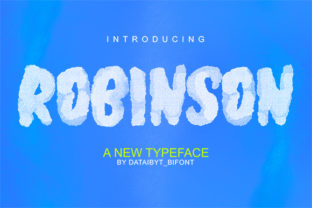
In an era where visual identity is more important than ever, choosing the right font can make all the difference in how a message is received. Robinson stands out as a bold and chunky display font that evokes the look of watercolor, offering a unique blend of artistic expression and readability. This font has captured the attention of professionals, creators, entrepreneurs, marketers, freelancers, and enthusiasts alike, who are looking for ways to elevate their designs with something that feels both modern and handcrafted.
Robinson is not just another typeface; it's a design tool that allows creators to turn any idea into a true standout. Whether used in branding, advertising, editorial design, or digital interfaces, its distinctive style brings warmth and personality to any project.
The Rise of Handcrafted Aesthetics in Digital Design
The digital landscape is constantly evolving, and with it, the expectations of consumers and professionals alike. In recent years, there has been a noticeable shift toward aesthetics that feel more personal, authentic, and human. This trend has given rise to a renewed interest in handcrafted elements—especially in typography.
Fonts like Robinson tap into this desire for authenticity by mimicking the fluidity and imperfections of watercolor. Unlike the rigid, sterile fonts often associated with corporate environments, Robinson offers a sense of spontaneity and creativity that resonates with today’s audiences. It bridges the gap between traditional art forms and modern digital media, making it a versatile choice across various industries.
This growing appreciation for handcrafted aesthetics is also reflected in broader design trends. From minimalism with a touch of texture to maximalist compositions filled with organic shapes, the emphasis is on creating experiences that feel more connected to real life. Robinson aligns perfectly with these movements, offering a visual language that speaks to both the heart and the mind.
Why Robinson Is Gaining Attention in the Creative Industry
As the creative industry becomes more competitive, standing out is no longer optional—it's essential. Robinson provides a way to do just that. Its bold and chunky structure makes it ideal for headlines, logos, and other key visual elements that need to grab attention immediately. At the same time, its watercolor-inspired design adds a layer of sophistication and depth that many other fonts lack.
Professionals in marketing and branding are particularly drawn to Robinson because it helps create memorable impressions. In a world where consumers are bombarded with information, a well-designed brand identity can be the difference between being noticed and being overlooked. Robinson enables designers to craft visuals that are not only eye-catching but also emotionally engaging.
Freelancers and entrepreneurs also benefit from using Robinson in their work. For instance, a freelance graphic designer might use it to create a portfolio that stands out from the crowd, while an entrepreneur launching a new product could leverage it to build a brand that feels both innovative and approachable. The font’s versatility allows it to be adapted to a wide range of applications, making it a valuable asset for anyone looking to enhance their visual storytelling.
Practical Examples of Robinson in Action
To understand the power of Robinson, it's helpful to see it in action. Consider a boutique clothing brand that wants to communicate a sense of individuality and craftsmanship. By using Robinson in their logo and promotional materials, they can convey a unique aesthetic that sets them apart from larger, more generic competitors.
Another example is a tech startup aiming to build a brand that feels both cutting-edge and human. Robinson can be used in presentations, website headers, and social media content to add a touch of warmth and character to otherwise technical messaging. This balance of formality and creativity helps establish a brand that is both trustworthy and exciting.
Even in editorial design, Robinson finds its place. Magazines and blogs that focus on lifestyle, fashion, or design can use it to highlight key features, section titles, or callout boxes. Its bold presence ensures that important information is noticed, while its watercolor influence adds a sense of elegance and refinement.
The Future of Typography and the Role of Fonts Like Robinson
Typography is at the intersection of technology and art, and as such, it continues to evolve alongside the tools and platforms we use. With the rise of responsive web design, mobile-first strategies, and AI-driven content creation, the role of fonts has expanded beyond mere legibility—they now serve as crucial components of user experience and brand identity.
Robinson exemplifies this evolution. It is designed to perform well across different mediums and screen sizes, ensuring that its visual impact remains consistent whether viewed on a smartphone, tablet, or desktop. This adaptability makes it a future-proof choice for designers who want to stay ahead of the curve without compromising on style.
Moreover, as artificial intelligence becomes more integrated into the creative process, there is a growing demand for fonts that can evoke emotion and meaning. Robinson meets this demand by offering a design that feels intentional and expressive. It reminds us that even in a world driven by automation, there is still a place for human touch and creativity.
How Robinson Fits Into Broader Trends
The popularity of Robinson is not isolated—it reflects several larger trends shaping the creative and business landscapes today. One of these is the increasing importance of emotional branding. Consumers are no longer satisfied with products or services that simply meet their needs; they want to feel connected to the brands they support. Robinson helps foster this connection by conveying a sense of authenticity and artistry that resonates with people on a deeper level.
Another trend is the integration of analog and digital aesthetics. As the lines between physical and virtual experiences blur, there is a growing appreciation for hybrid styles that combine the best of both worlds. Robinson embodies this spirit by bringing the softness and unpredictability of watercolor into the digital realm, creating a bridge between tradition and innovation.
Finally, the rise of remote work and digital collaboration has increased the need for tools that enable clear communication and visual consistency. Robinson supports this need by providing a font that is both visually striking and easy to read, making it an excellent choice for presentations, reports, and other professional communications.
Conclusion: Elevating Design with Robinson
Robinson is more than just a font—it's a statement. It represents a shift in how we think about typography, emphasizing the importance of emotion, authenticity, and visual storytelling in design. Whether you're a marketer looking to create a stronger brand presence, a freelancer seeking to stand out in a crowded marketplace, or an enthusiast exploring new creative possibilities, Robinson offers a powerful tool to help you achieve your goals.
As the creative industry continues to evolve, fonts like Robinson will play an increasingly important role in shaping the visual language of the future. By embracing its bold and chunky style, designers can create work that not only captures attention but also leaves a lasting impression.
In a world full of choices, Robinson stands out as a font that truly turns ideas into standouts. It's time to explore what it can do for your next project.