Roundap: A Bold Display Font for Strategic Communication and Creative Expression
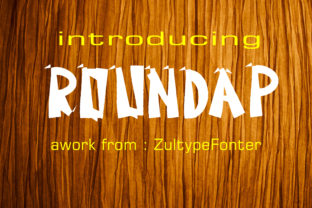
Roundap is a bold display font that stands out with its unique characters and playful look. Designed to capture attention, it offers a versatile tool for those who want to communicate effectively while adding a touch of personality to their visual content. Whether you're an entrepreneur launching a new brand, a marketer crafting compelling headlines, or a creator looking to enhance your digital presence, Roundap can be a valuable asset in your toolkit.
Understanding the Strategic Value of Roundap
Fonts are more than just typography; they are a critical component of visual communication. The right font can convey tone, emotion, and professionalism, shaping how your message is received by your audience. Roundap, with its distinctive design, brings a sense of energy and creativity to any project. Its boldness makes it ideal for headings, titles, and call-to-action buttons where impact is key.
Strategically, Roundap can help reinforce brand identity. It works well for businesses aiming to appear modern, innovative, or approachable. The playful nature of the font can also make complex information more digestible, especially when used in educational materials or infographics.
When to Use Roundap Effectively
The best use cases for Roundap include:
- Headlines and Titles: Use Roundap for blog posts, articles, or marketing materials where the goal is to grab attention immediately.
- Call-to-Action Buttons: The bold style of Roundap can encourage user interaction on websites or apps.
- Logos and Branding: If your brand aims to feel dynamic and creative, Roundap can serve as a strong visual anchor.
- Presentations and Slides: When presenting ideas, using Roundap can help emphasize key points and maintain engagement.
However, it's important to consider context. While Roundap is excellent for drawing attention, overusing it may dilute its effectiveness. Balance is key—use it where it adds value without overwhelming the reader.
Planning Your Use of Roundap
Before incorporating Roundap into your projects, take time to evaluate your goals. Ask yourself: What message do I want to convey? Who is my audience? How does this font align with my brand’s voice?
If your objective is to create a sense of playfulness or innovation, Roundap can support that narrative. However, if your brand requires a more formal or traditional tone, it may not be the best fit. Always ensure that the font complements your overall design strategy rather than clashing with it.
Consider the readability of Roundap in different contexts. While it excels in short bursts of text, it may not be suitable for long paragraphs or body copy. Save it for headlines, subheadings, and other elements where its boldness can shine without hindering comprehension.
Practical Tips for Using Roundap
- Pair with Complementary Fonts: To maintain visual harmony, pair Roundap with a more readable sans-serif or serif font for body text.
- Use Consistently: Apply Roundap consistently across all platforms and materials to build brand recognition.
- Test Across Devices: Ensure that Roundap displays correctly on various screen sizes and resolutions, particularly on mobile devices.
- Limit Usage: Reserve Roundap for high-impact areas rather than using it excessively throughout your design.
Exploring the Risks of Misusing Roundap
While Roundap has many benefits, it's not without risks. Using it without clear goals or context can lead to miscommunication. For example, if your brand is perceived as professional and serious, using a playful font like Roundap might confuse your audience or undermine your credibility.
Another risk is overuse. Applying Roundap to every headline or section of your content can make your designs feel cluttered and unprofessional. This can reduce the effectiveness of your message and potentially alienate your audience.
To avoid these pitfalls, always start with a clear purpose. Define what you want to achieve with your design and choose fonts that align with that vision. If in doubt, consult with a designer or conduct user testing to see how different fonts affect your audience’s perception.
Strategic Decision-Making with Roundap
Integrating Roundap into your workflow should be a deliberate choice. Consider the following questions before making a decision:
- Does this font support my brand's identity and messaging?
- Will it resonate with my target audience?
- Is there a specific goal I want to achieve with this design element?
- How will it affect the overall user experience?
By answering these questions, you can ensure that your use of Roundap is intentional and effective. Remember, the goal is not just to use a bold font but to use it in a way that enhances your communication and achieves your strategic objectives.
Long-Term Benefits of Thoughtful Font Selection
Choosing the right font, like Roundap, can have long-term benefits for your business or personal brand. A consistent and thoughtful approach to typography helps build brand recognition and trust. Over time, audiences come to associate certain fonts with specific brands or messages, which can strengthen your market position.
Moreover, using fonts that align with your brand’s personality can improve user engagement and satisfaction. When your design feels cohesive and intentional, it reflects positively on your brand and can lead to better outcomes, whether you're trying to increase sales, drive traffic, or build a loyal community.
In the long run, investing time in thoughtful font selection can pay off significantly. It contributes to a more polished, professional, and memorable brand image, helping you stand out in a crowded marketplace.
Final Thoughts on Roundap
Roundap is more than just a font—it's a strategic tool that can enhance your communication and creative expression. By understanding its strengths and limitations, you can use it effectively to support your goals and achieve better results.
Whether you're working on branding, marketing, or content creation, consider how Roundap can add value to your projects. With careful planning and consideration, it can become a powerful asset in your design arsenal, helping you make a lasting impression on your audience.