Pecism: A Strategic Font for Modern Design and Branding
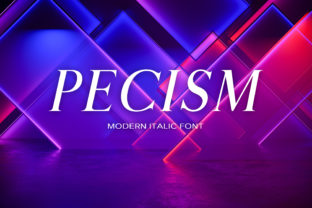
Pecism is a serif font that marries the elegance of traditional sign painting with the clarity and dynamism of modern typography. Designed to be both clean and expressive, it offers a unique visual language that can elevate any design project. Whether you're crafting a brand identity, designing a logo, or creating marketing materials, Pecism provides a versatile and impactful solution.
The Strategic Value of Pecism in Design
Choosing the right font is more than an aesthetic decision—it's a strategic one. Pecism stands out because it balances readability with character, making it ideal for communication that needs to be both professional and memorable. Its clean lines and dynamic structure allow it to perform well across a range of media, from print to digital formats.
For entrepreneurs and marketers, this means having a tool that can help convey authority and approachability simultaneously. The font’s modern twist ensures it doesn't feel outdated, while its roots in sign painting give it a sense of craftsmanship that resonates with audiences looking for authenticity.
Why Pecism Works for Branding and Logo Design
Branding is about creating a consistent and recognizable identity. Pecism supports this by offering a font that is both distinctive and adaptable. It can be used in logos to communicate a sense of professionalism and creativity. Its versatility allows it to work well in both minimalist and more detailed designs, giving brands the flexibility they need to evolve over time.
- Consistency: Using Pecism consistently across all branding elements helps reinforce brand recognition.
- Readability: The font’s clean structure ensures that messages are easy to read, which is crucial for effective communication.
- Memorability: The unique style of Pecism makes it easier for audiences to remember a brand.
When designing a logo, consider how Pecism will interact with other design elements such as color, spacing, and imagery. A well-balanced composition can make a significant difference in how the brand is perceived.
Use Cases for Pecism in Practical Projects
Pecism is not limited to logos and branding; it has a wide range of applications. For instance, it works exceptionally well for headlines in web design, where it can draw attention without overwhelming the reader. Its structure also makes it suitable for business cards, where space is limited but impact is essential.
For creators and freelancers, using Pecism in presentations, resumes, or portfolios can help establish a strong visual identity. It conveys a sense of professionalism and attention to detail, which is important when making a first impression.
How to Approach Using Pecism in Different Contexts
Before relying on Pecism for a specific project, it's important to understand the context and audience. Here are some practical tips for using it effectively:
- Assess the purpose: Determine whether the goal is to create a bold statement or a subtle presence. This will influence how Pecism is used.
- Consider the medium: Pecism may look different on screen versus print. Always test it in the intended format before finalizing.
- Balance with other elements: Pair Pecism with complementary fonts, colors, and layouts to maintain visual harmony.
By thoughtfully applying these principles, you can ensure that Pecism enhances rather than detracts from your message.
Risks of Using Pecism Without Clear Strategy
While Pecism is a powerful font, using it without consideration can lead to suboptimal results. For example, if it's used inappropriately in a context where legibility is critical—such as in small text sizes or low-resolution images—it can become difficult to read and lose its effectiveness.
Additionally, overusing Pecism in multiple places within a single design can create visual clutter. It's important to use it intentionally, ensuring that it serves a clear purpose and contributes to the overall message.
Another risk is using it without aligning it with the brand's voice or target audience. If the font feels mismatched, it can confuse or alienate the audience, undermining the intended impact.
Strategic Planning for Effective Use of Pecism
To avoid these pitfalls, start with a clear strategy. Begin by defining the goals of your project and identifying the key messages you want to communicate. Then, evaluate how Pecism can support those goals through its visual characteristics.
Consider conducting user testing or seeking feedback from others to gauge how the font is perceived. This can help identify any potential issues early on and ensure that your design meets the expectations of your audience.
Finally, always keep the long-term value in mind. A font choice should not only serve the immediate needs of a project but also contribute to the ongoing success of a brand or message.
Conclusion: Making Informed Decisions with Pecism
Pecism is more than just a font—it's a strategic asset that can enhance the effectiveness of your design and communication efforts. By understanding its strengths and limitations, you can use it to achieve better results in branding, marketing, and creative projects.
Whether you're an entrepreneur launching a new brand, a designer working on a website, or a creator developing content, thoughtful use of Pecism can help you stand out in a competitive landscape. The key is to apply it with intention, ensuring that it aligns with your goals and supports your overall strategy.